Copper water bottle benefits that are honestly established are narrow: copper is an essential trace mineral, and copper surfaces are registered with the US EPA as antimicrobial. Claims like better digestion or dosha balance come from Ayurvedic tradition and lack large clinical trials. Buy a copper bottle as a durable way to drink water, not a health treatment.
If you grew up in an Indian household, you have probably seen a copper lota or bottle on someone’s bedside table. The habit is back in fashion, and this time it comes with hashtags. But what are the real copper water bottle benefits, and how much of it is tradition versus proven science? This guide walks through what Ayurveda claims, what research actually says, and how to use a copper bottle safely if you decide to try it.
What Is Tamra Jal?
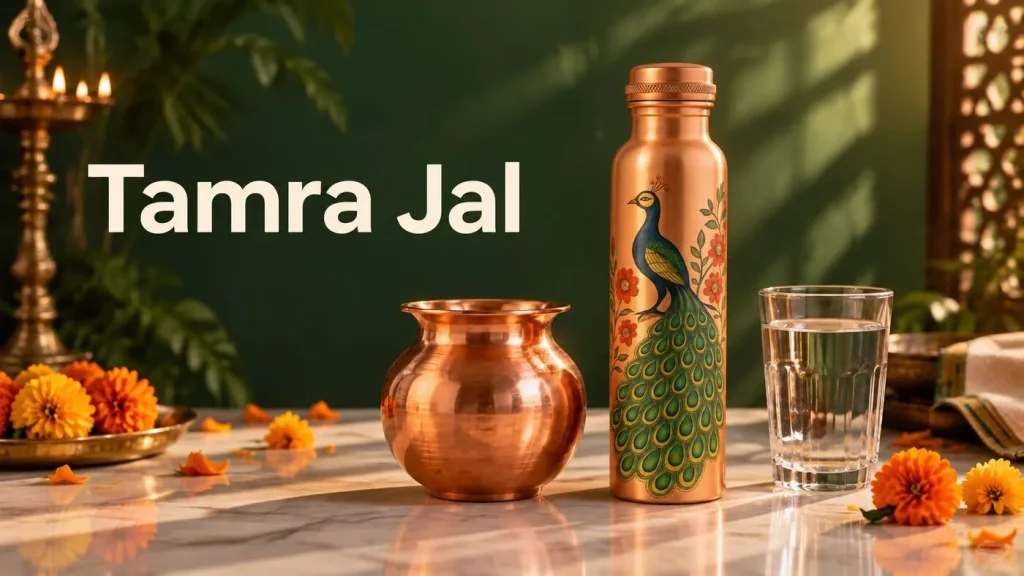
Tamra jal simply means water that has been stored in a copper vessel, usually overnight. The word comes from Sanskrit: “tamra” for copper and “jal” for water.
Ayurvedic texts describe copper as a metal that can gently influence the water it holds. Families across India have followed this routine for generations, long before water purifiers and plastic bottles existed. The practice is easy to adopt: fill a pure copper bottle at night, drink the water in the morning, and refill as needed.
What Ayurveda Says About Copper Water
In Ayurveda, copper is considered a metal that helps balance the three doshas: vata, pitta and kapha. Traditional practitioners believe that water stored in copper becomes charged with trace amounts of the metal, which then supports the body when consumed.
Ayurveda also links copper water to better digestion and a gentle cleansing effect on the stomach. These ideas come from classical texts and oral tradition, not modern clinical trials. The Ministry of AYUSH, Government of India is the official body that oversees Ayurveda practice and education in the country. The traditional claims in this article are attributed to classical Ayurvedic practice; they are not endorsements by the ministry or any government body.
7 Copper Water Bottle Claims, Examined Honestly
Here are the seven claims most commonly made about drinking copper water, with an honest status for each.
1. Claim: better digestion
Ayurveda holds that copper water stimulates the digestive fire, or agni. Status: traditional claim. No large clinical trials have tested copper water for digestion, so treat this as a belief you can explore, not an established benefit.
2. Claim: antimicrobial action
Status: established for surfaces. Copper alloy surfaces are registered with the US Environmental Protection Agency as antimicrobial. Some small studies have found reduced microbial counts in water stored in copper vessels, but large trials are missing, and the EPA registration concerns touch surfaces, not drinking water.
3. Claim: dosha balance
Status: traditional framework only. Doshas are an Ayurvedic concept with no laboratory equivalent, so this claim sits outside what clinical methods can test.
4. Claim: a source of trace copper
Status: established chemistry, small effect. Copper is an essential trace mineral that the body needs in tiny amounts for functions like iron absorption and energy production. Water stored in copper can pick up minute traces of the metal, though diet remains the main source for most people.
5. Claim: helps you drink more water
Status: plausible, but about the habit, not the metal. A bottle you enjoy looking at is a constant reminder to sip, and any bottle you love would do the same job.
6. Claim: better skin and immunity
Status: unproven. These claims come from tradition and marketing, and scientific evidence specific to drinking copper water remains thin. Think of copper water as a complementary habit, not a treatment.
7. Claim: a sustainable swap for plastic
Status: established as far as it goes. A well-made copper bottle lasts for years, and switching from disposable plastic bottles to one durable bottle cuts waste.
What Modern Science Actually Says
Copper’s antimicrobial effect on hard surfaces is well documented, which is why hospitals and public buildings use copper alloy touch surfaces. What is not established is that drinking water stored in a copper bottle delivers specific health outcomes in humans: large clinical trials are simply missing. The fair summary is that the surface science is solid, while the broader wellness claims attached to copper water bottle benefits are rooted mainly in Ayurvedic tradition.
How to Use a Copper Bottle the Right Way
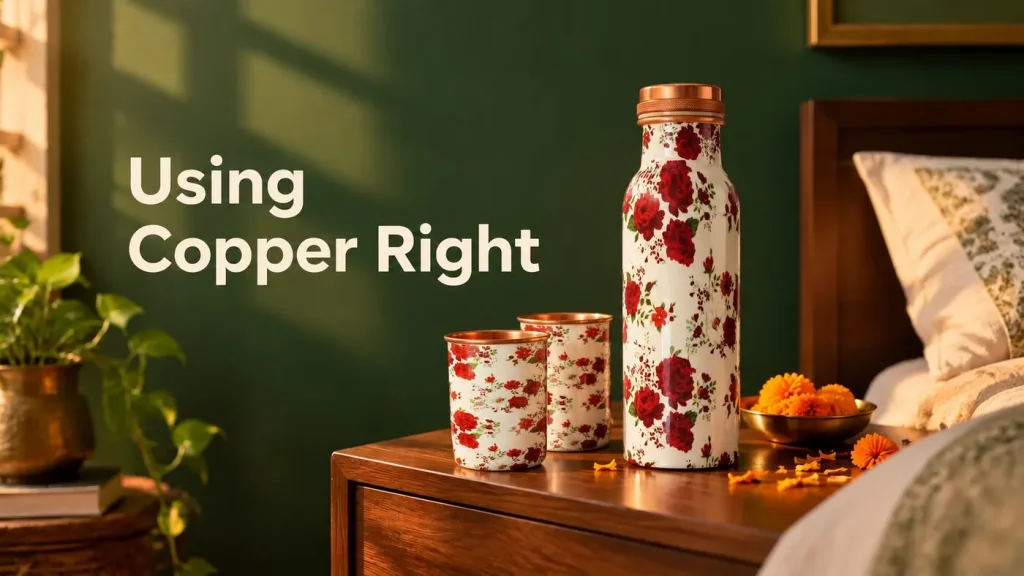
Getting the routine right matters more than buying an expensive bottle.
- Fill the bottle with room-temperature drinking water at night; the traditional routine is overnight storage.
- There is no clinically validated storage duration, and longer is not better. Refresh the water daily rather than storing it for days.
- Drink a glass or two in the morning, then use the rest through the day.
- Avoid storing acidic liquids like lemon water or juice in copper, as the acid can react with the metal.
If you also keep copper items for prayer or decor, our guide on how to clean brass idols at home covers gentle cleaning methods that work on copper too.
Who Should Be Careful
Copper water is not for everyone, and honesty here builds trust.
- People with Wilson’s disease, a rare condition where the body retains copper, must avoid extra copper. MedlinePlus notes that patients follow a low-copper diet and should have their drinking water checked for copper content.
- Excess copper in drinking water is a documented concern, not a theoretical one: the US Environmental Protection Agency sets an action level for copper in tap water because short-term excess causes gastrointestinal distress and long-term excess can damage the liver or kidneys. There is no officially recommended daily amount for copper water, so moderation and medical advice matter more than any routine.
- Pregnant women and people with liver conditions should check with a doctor first.
- If you notice a strong metallic taste, the bottle may need cleaning or the water may have sat too long.
How to Choose a Pure Copper Bottle
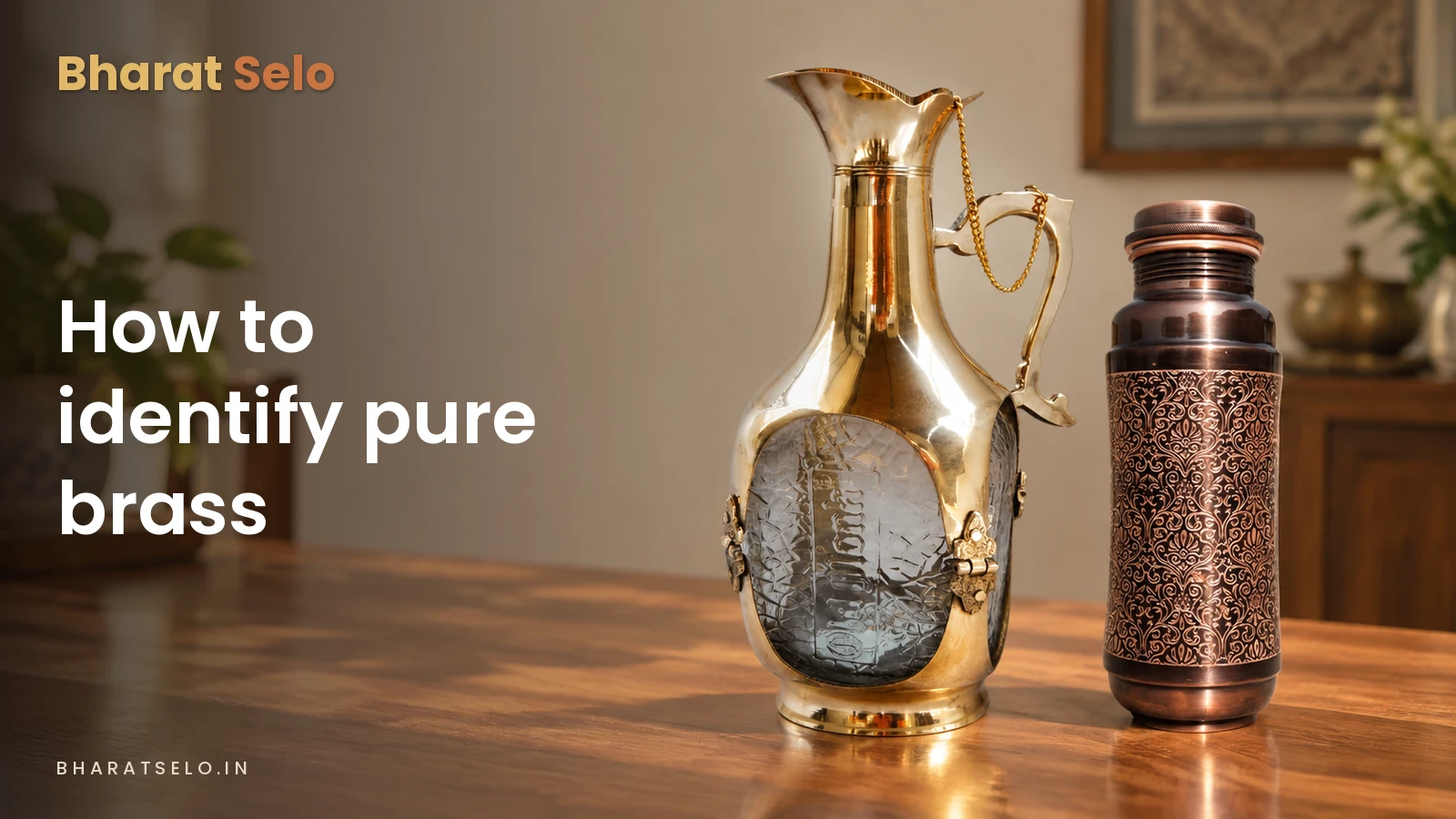
Not every bottle sold as copper is pure. Some are merely copper-plated over steel or aluminium. A genuine pure copper bottle feels heavy for its size, shows a warm reddish-brown tone, and is not magnetic. A magnet sticking firmly to the bottle is a red flag.
Handcrafted options, like the hammered and engraved copper water bottles at Bharat Selo, are made from pure copper sheet and finished by artisans. Whatever brand you pick, check that the seller clearly states “pure copper” rather than “copper finish” or “copper colour”.
Copper vessels have a wider place in Indian homes beyond drinking water. Many families use them in daily worship, and our article on the 100% pure copper pooja thali explains what to look for when buying copper for ritual use. If you are shopping for a complete set, our copper puja thali set article compares the options.
Frequently Asked Questions
How long should water stay in a copper bottle?
Tradition says overnight. No official guideline exists, so refresh the water daily and avoid multi-day storage.
Can I store hot water in a copper bottle?
It is better to use room-temperature water. Very hot water speeds up copper leaching into the water.
Why does my copper bottle turn dark inside?
That is natural tarnish from oxidation. It is harmless and easy to clean with lemon and salt.
Can I drink copper water every day?
There is no official guidance on daily amounts for copper water. If you have any health condition, or plan to make it a long-term daily habit, ask your doctor first.
Is copper water safe for children?
There is no official guidance on copper water for children. Ask your pediatrician before making it a habit for a child.
The Bottom Line
The copper water bottle benefits that tradition describes come from one of the world’s oldest health systems. Science confirms copper’s antimicrobial nature on surfaces, while the drinking-water wellness claims still await large studies. Used sensibly, a pure copper bottle is a beautiful, sustainable way to drink more water and stay connected to a genuinely Indian habit.