If you’ve ever stood in a store holding both a clay diya and a brass one, wondering which to pick – you’re asking exactly the right question. The answer is not purely spiritual or purely practical. It’s both. Which diya is best for home depends on how you plan to use it, how often, and what role it plays in your daily or festive ritual. This guide gives you a clear, fact-based answer – no vague generalities, just real guidance.
Brass, Clay, or Silver – Which Diya Material Wins?
Each material carries distinct properties – ritually, practically, and aesthetically. Here is the honest comparison:
- Clay Diya (Mitti): Single-use, biodegradable, deeply traditional. Clay represents earth energy and is considered grounding. Perfect for lighting in large numbers during Diwali. Not ideal for daily use – they absorb oil, crack with heat, and should not be reused after puja.
- Brass Diya: Reusable, durable, and the preferred choice for daily home worship. According to Vastu Shastra, brass absorbs and radiates positive energy long-term and is associated with the Sun – representing power, positivity, and success. A well-made brass diya lasts a lifetime and becomes an heirloom.
- Silver Diya: Associated with the Moon – representing peace, purification, and spiritual growth. Beautiful but high-maintenance. Silver tarnishes quickly and requires regular polishing. Best suited for special occasions rather than daily use.
According to Vastu Shastra guidelines, diyas should face east or north-east for prosperity and peace. For maximum effect with a brass diya at home, place it in the northeast corner of your mandir or prayer space.
The practical verdict: Many Indian households use both – clay diyas for volume lighting across entrances and balconies during festivals, and a brass diya at the main mandir altar for daily worship. Both serve a purpose. For everyday home use, brass is the clear winner.
Best Brass Diya Types for Daily Home Use
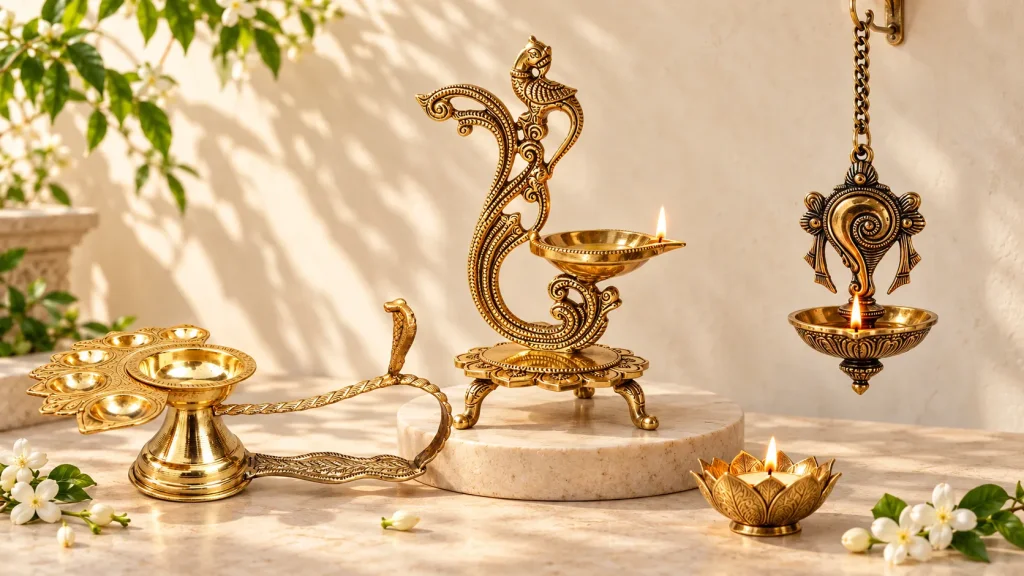
Once you decide brass is the right material, the next question is which style suits your home. Here are the best options for the best diya for home based on actual use:
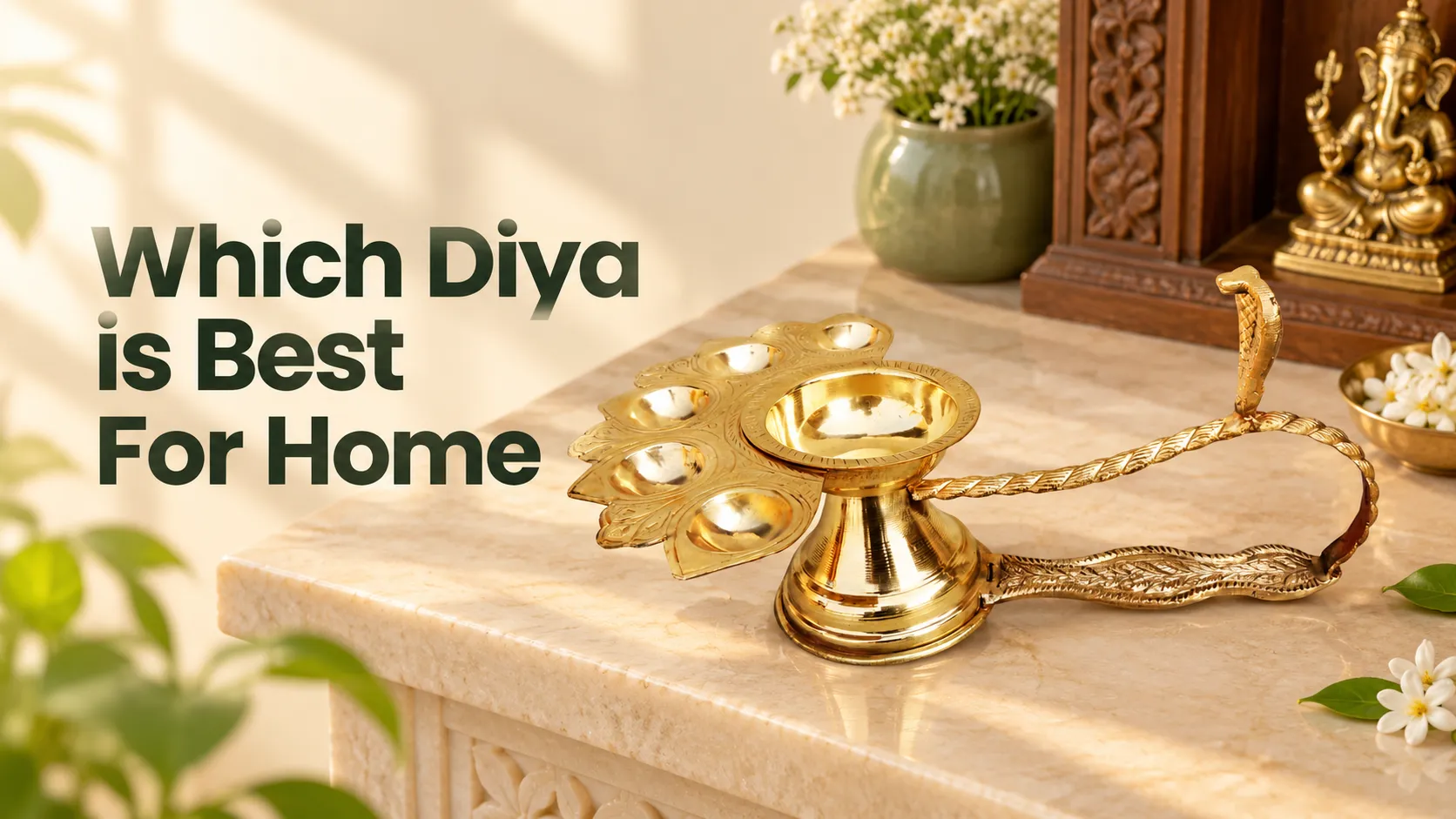
- Hand Aarti Diya: Designed to hold during morning and evening aarti. Single or multi-wick. This is the most commonly used brass diya for daily home worship. BharatSeLo’s Hand/Arti Diya collection covers this format well.
- Table Diya: Flat base, stable, sits on the mandir shelf or puja thali. Ideal for homes that keep a flame burning through the day. The most practical format for a dedicated mandir space.
- Akhand Diya: Designed for continuous burning – 24 to 48 hours on one fill. Best for Navratri, long kathas, or families who prefer an unbroken flame from morning aarti through evening puja.
- Kamal (Lotus) Diya: Lotus-shaped brass diya associated with Goddess Lakshmi. Doubles as home decor and a ritual lamp. A strong choice for the main mandir and as a Diwali gifting piece.
BharatSeLo’s full Diya Deepak collection carries all four types – each handcrafted from genuine brass by skilled Indian artisans.
Where to Place a Diya at Home – Vastu Guide
Placement matters as much as material. Here is the standard Vastu guidance for diya placement at home:
- Morning aarti diya: Light a ghee diya in the mandir facing east. East represents the rising sun and new energy entering the home.
- Evening diya at entrance: Light a mustard oil diya at the main door facing north-east. This direction attracts Lakshmi and positive energy into the home.
- Mandir corner: Place the akhand or table diya in the northeast corner of your prayer room for maximum auspicious effect.
- Never place in: South-west zone, near bathrooms, or directly on the floor without a base. These placements are considered Vastu-inauspicious.
Pair your brass diya with a Brass Puja Thali Set from BharatSeLo for a complete, Vastu-aligned puja setup that works every morning and evening.
Where to Buy the Best Diya for Home Online in India
If you want a genuine best brass diya for home – 100% made in India by skilled artisans – BharatSeLo is the right source. Free delivery above Rs.999, 30-day returns, and cash on delivery across India. Their Puja Item collection covers every diya type and accessory you need to build a complete home mandir setup.
Frequently Asked Questions
Which Diya is Best For Home – Your Questions Answered
Q1. Which diya is best for home – brass, clay, or silver?
Brass is best for daily home use. It lasts a lifetime, radiates positive energy long-term according to Vastu Shastra, and is the traditional choice for home mandir worship. Use clay for festival volume lighting and silver for special occasions.
Q2. Is a brass diya better than a clay diya for daily use?
Yes. A clay diya is single-use and should not be reused after puja as it absorbs negative energy. A brass diya is reusable, durable, and can serve your home mandir every morning and evening for decades without replacement.
Q3. Which direction should a diya face at home?
Vastu Shastra recommends facing the diya east during morning aarti for energy from the rising sun. For the evening entrance diya, face it north-east. This direction is associated with prosperity and welcoming Goddess Lakshmi into the home.
Q4. What is the best brass diya for daily home pooja?
A hand aarti diya or table diya in brass is best for daily home pooja. For families who prefer a continuous flame from morning to evening, an akhand brass diya with a 150-250ml oil capacity is the most practical choice.
Q5. Which diya is most auspicious for Diwali at home?
A kamal (lotus) brass diya is considered especially auspicious for Diwali Lakshmi puja. A Kuber deepak on stand is traditional for Dhanteras. Many homes use both a brass main altar diya and clay diyas in large numbers around the entrance and balcony.
Q6. What oil or ghee should I use in a brass diya at home?
Pure cow ghee is the most auspicious choice for morning mandir puja. Sesame oil (til ka tel) is traditional for evening and entrance diyas. Mustard oil works well for entrance and Vastu placements. Avoid synthetic fragrance oils in brass diyas.
Q7. How long does a brass diya last?
Indefinitely with basic care. Brass does not rust or corrode. A well-maintained brass diya used daily for morning and evening aarti can last for generations. It becomes a family heirloom – which is something a clay diya can never be.
Q8. How do I clean a brass diya at home?
Apply lemon juice and salt paste to the brass surface. Rub gently with a soft cloth, rinse with water, and dry immediately. Do this monthly for polished brass. For antique finish diyas, the natural patina that develops over time is an intentional aesthetic – skip polishing.
Q9. Can I keep a brass diya lit all day at home?
One of the best. A handcrafted brass diya from BharatSeLo is functional, deeply meaningful, and lasts for decades. Their Corporate Diwali Gift section handles bulk orders with customization for festive gifting.
Q10. Is a brass diya a good housewarming or Diwali gift?
One of the best. A handcrafted brass diya from BharatSeLo is functional, deeply meaningful, and lasts for decades. Their Corporate Diwali Gift section handles bulk orders with customization for festive gifting.