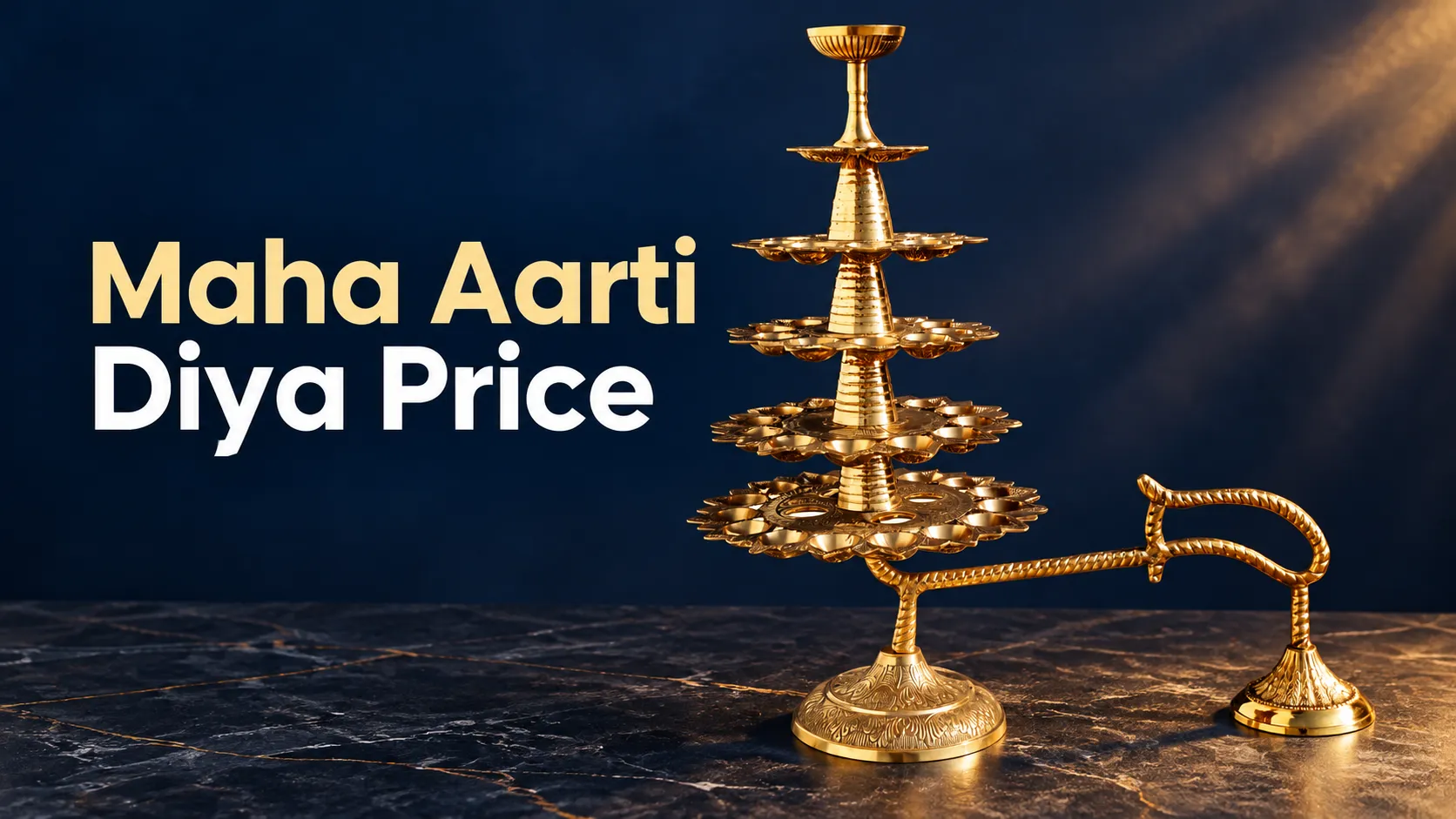
Maha Aarti Diya price tags swing wildly once you start comparing listings, and not because sellers are making numbers up. A small 21-wick lamp and a large 108-wick temple-style piece are simply not the same product, even though both get sold under the same name.
This guide breaks down exactly what pushes the price up or down, so you can tell whether a listing is fairly priced before you buy.
Why One Search Term Covers Such a Wide Price Range
Search listings for a Maha Aarti Diya commonly range from a few hundred rupees for a small, thin-cast 21-wick lamp to well over twenty thousand rupees for a large, heavily detailed multi-tier piece with dozens of wicks. That is not a typo, and it is not inconsistent pricing, it reflects genuinely different products.
The core material behind almost every listing is brass, an alloy of copper and zinc, according to Wikipedia’s entry on brass, and the proportion and thickness of that metal used in casting is one of the biggest cost drivers you will not see mentioned in a product title.
Five Factors That Actually Set Maha Aarti Diya Price
1. Wick Count and Tier Structure
A basic 21-wick, single-tier design costs far less than a 51-wick or 108-wick version spread across five to seven tiers, simply because of how much more brass and labor goes into the larger piece.
2. Overall Weight and Casting Thickness
Heavier, thicker-cast lamps generally cost more, since they use more raw brass and hold up better over years of daily use. A lightweight, thin-cast piece will always sit at the lower end of the price range.
3. Hand-Finishing and Detail Work
Carved petals, engraved borders, and an added handle all take extra artisan time, which shows up directly in the final price compared to a plain, unadorned design.
4. Size and Height
Taller multi-tier pieces, sometimes reaching 18 to 24 inches, cost more than compact tabletop versions simply because of the additional material and structural support required.
5. Solid Brass vs. Brass-Plated
A solid brass piece costs more than one that is only brass-plated over a cheaper base metal, even if the two look nearly identical in a product photo.
A Realistic Price Range to Expect
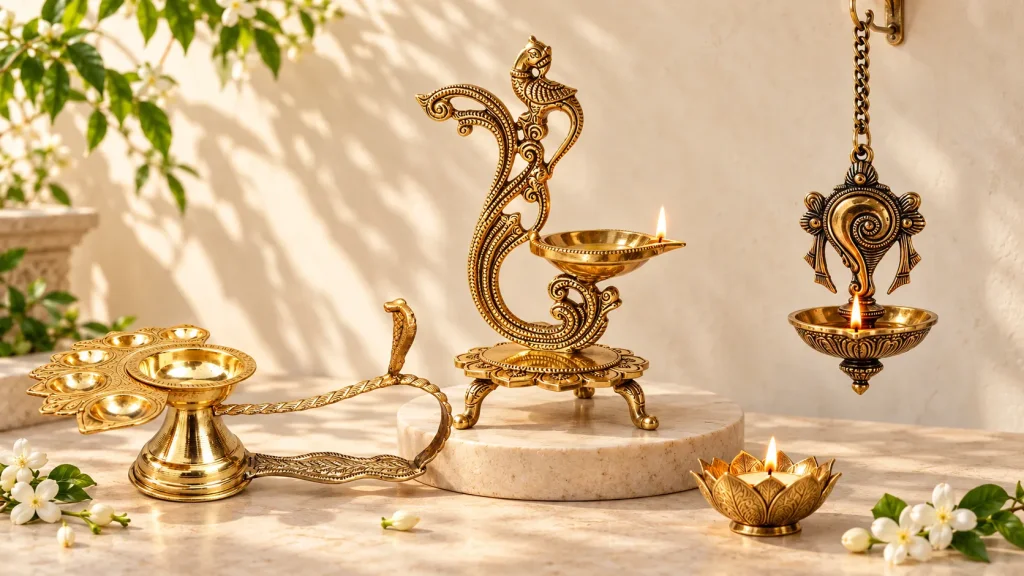
Based on current listings across major Indian retailers, small single-tier Maha Aarti Diyas start around a few hundred rupees, while large, heavily detailed multi-tier pieces with 51 to 108 wicks can run into the tens of thousands. Most households looking for a genuinely durable, mid-size piece land somewhere in between.
Rather than quote a single number here, since brass pricing shifts with raw material costs and design changes, it is worth checking the current listing directly for the exact figure.
BharatSeLo’s Ganga Arti collection lists current pricing for both compact and multi-tier handcrafted brass designs.
How to Tell If a Listing Is Fairly Priced
Compare the wick count, height, and weight side by side rather than just the price tag alone. A cheaper listing that skips actual weight or material details in the description is worth a second look before you buy.
If your budget leans smaller, BharatSeLo’s hand and arti diya collection covers compact, everyday pieces at a lower price point than the large temple-style lamps.
Caring for a Brass Maha Aarti Diya After Purchase
Whatever price point you land on, basic care keeps a brass piece looking sharp for years. Regular flame use darkens the surface naturally, and that tarnish wipes off with simple household ingredients.
This guide on how to clean brass idols at home covers methods that work well regardless of the size or price of the piece.
Buying From BharatSeLo
BharatSeLo works with brass artisans who cast and finish each piece by hand, so the pricing reflects genuine material and labor costs rather than a generic markup on a mass-produced import.
You can read more about the artisans behind each piece on the About BharatSeLo page.
Final Thoughts
Maha Aarti Diya price is not random. Wick count, weight, detailing, and whether the piece is solid or plated brass all combine to explain why two lamps that look similar in a thumbnail can cost very different amounts. Check the specs, not just the price tag, before deciding.
Frequently Asked Questions
1. Why does Maha Aarti Diya price vary so much between listings?
Wick count, tier structure, weight, and hand-finishing all differ significantly between products, even when they share a similar name.
2. Does a heavier Maha Aarti Diya always cost more?
Generally yes, since more raw brass goes into a heavier casting, and thicker metal typically means a longer-lasting piece.
3. Is solid brass more expensive than brass-plated?
Yes, a solid brass piece costs more than one that is only plated over a cheaper base metal, even if they look similar in photos.
4. What is the cheapest type of Maha Aarti Diya?
Small, single-tier, thin-cast 21-wick designs sit at the lower end of the price range compared to larger multi-tier pieces.
5. Why do multi-tier designs with 51 or 108 wicks cost so much more?
They require significantly more brass, structural support, and artisan labor to cast and assemble across multiple tiers.
6. Does the height of the diya affect its price?
Yes, taller pieces, often 18 inches or more, generally cost more due to the added material and support structure needed.
7. How can I tell if a listing is fairly priced?
Compare the wick count, weight, and height across similar listings rather than judging by price alone, and check whether the material is confirmed as solid brass.
8. Does hand-carved detailing increase the price?
Yes, carved petals, engraved borders, and added handles all take extra artisan time, which adds to the final cost.
9. Is it worth paying more for a larger Maha Aarti Diya?
If you need it for group rituals, temple use, or a large prayer room, the bigger size and extra wicks genuinely serve a functional purpose, not just visual impact.
10. Where can I check current Maha Aarti Diya pricing?
Since brass pricing shifts with material costs, check the current listing directly on a retailer’s site, such as BharatSeLo’s Ganga Arti collection, for the exact figure.